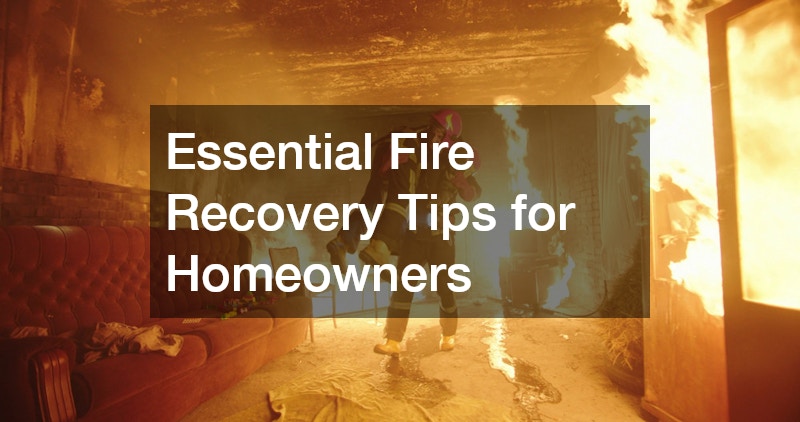
Recovering from a fire can be one of the most overwhelming experiences a homeowner faces. The immediate aftermath of a fire leaves emotional and physical challenges, from damaged structures to personal belongings, and navigating the recovery process requires careful planning and reliable resources. Understanding how to approach fire damage repair is essential for ensuring safety, minimizing further losses, and restoring your home efficiently. Fires can affect every part of a property, from the foundation and walls to landscaping and outdoor structures. Even after the flames are extinguished, smoke damage, soot, and lingering odors can make a property unsafe or uncomfortable without proper attention.
Beyond the physical damage, fires often disrupt daily routines, requiring temporary housing, storage solutions, and the assistance of professionals to manage cleanup and repair. Homeowners may also need to interact with insurance adjusters, legal advisors, and specialized contractors to handle claims and restoration work. Implementing fire-resilient measures during the recovery process, including landscape design adjustments and installing proper fire suppression systems, can reduce the risk of future incidents. This guide covers the essential steps, tools, and services homeowners should consider after experiencing a fire, helping you regain control, safety, and peace of mind while rebuilding your home.
What is Fire Damage Repair?
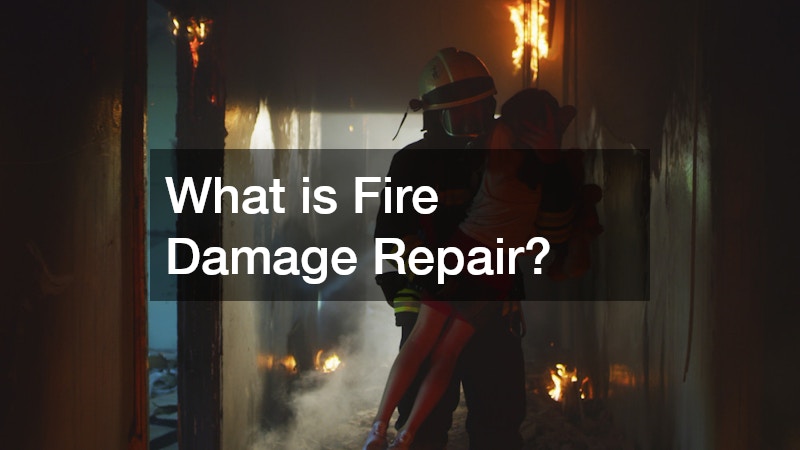
Fire damage repair is the structured process of restoring a property that has been affected by fire, smoke, or soot. It involves a combination of cleanup, structural repair, and replacement of damaged materials to return a home to a safe and habitable state. Proper fire damage repair requires evaluating the extent of destruction, prioritizing urgent safety concerns, and coordinating with multiple specialists to ensure that all aspects of the property, including electrical systems, plumbing, and landscaping, are properly restored.
Understanding the Fire Damage Assessment Process
Before any repairs can begin, a thorough assessment of the property is crucial. Fire damage can be more extensive than it appears on the surface, affecting walls, ceilings, flooring, and hidden structural components. Inspectors evaluate the degree of damage, identify potential safety hazards, and recommend specific repairs. They may also determine whether temporary solutions, like a mobile storage trailer or board up service, are necessary to protect remaining belongings. Proper assessment ensures that fire damage repair is comprehensive, preventing hidden issues like mold growth, weakened structures, or lingering smoke odors from causing long-term problems.
Steps Involved in Fire Damage Repair
Once the assessment is complete, the fire damage repair process can begin in stages. Initial steps often include securing the property with board up service, removing debris, and setting up temporary storage solutions for salvaged items. Professional cleaning services may employ pressure washing techniques to remove soot and smoke residue from surfaces, while specialized contractors repair structural elements and replace damaged systems such as pipes supplied by a trusted pipe supplier. Depending on the severity of the fire, homeowners might coordinate with garage door companies to restore damaged entryways or integrate fire suppression systems to prevent future incidents. Each step requires careful planning and collaboration with experienced professionals to restore the property safely and efficiently.
How Can Landscape Design Help After Fire Damage?
Landscape design plays a significant role in fire recovery, not only in restoring the aesthetic appeal of a property but also in improving its resilience against future incidents. Thoughtful landscape design can incorporate fire-resistant plants, strategic placement of outdoor elements, and practical pathways that reduce fire risks while enhancing the beauty of your home. Working with landscape designers experienced in fire-prone areas can streamline recovery and ensure long-term safety and functionality.
Choosing Fire-Resilient Plants for Your Garden
One of the first considerations in rebuilding your outdoor space after a fire is selecting plants that can withstand extreme heat and reduce the likelihood of spreading flames. Fire-resilient plants often require less water, have high moisture content in their foliage, and are less likely to ignite during a wildfire or accidental fire. Incorporating shrubs, trees, and ground cover with fire-resistant properties into your landscape design not only improves safety but also maintains the visual appeal of your garden. Homeowners can consult landscape professionals to choose species that match the climate and soil while providing protection for both the property and its inhabitants.
Techniques for Creating a Fire-Resilient Landscape
Beyond plant selection, several techniques can enhance a landscape’s fire resilience. Creating defensible spaces around structures, maintaining clear pathways, and strategically placing fire-resistant barriers can help slow the spread of flames. Using hardscape elements such as stone walkways, patios, and retaining walls complements these strategies while adding visual appeal. Additionally, proper maintenance practices like regular pruning, debris removal, and the installation of irrigation systems help minimize fire hazards in the long term. Landscape design after a fire is not just about aesthetics—it is a critical component of overall fire safety and home recovery.
What is Fire Suppression Definition and Its Importance?

Understanding the fire suppression definition is essential for homeowners seeking to protect their property and prevent future damage. Fire suppression refers to the methods, systems, and technologies used to detect, control, or extinguish fires in their early stages, minimizing damage to buildings and belongings. Fire suppression systems range from simple fire extinguishers to complex automated sprinkler networks integrated into a home’s infrastructure.
Key Components of Fire Suppression Systems
A robust fire suppression system may include smoke detectors, heat sensors, sprinklers, and chemical suppression tools. Each component plays a unique role in detecting fires early and responding to prevent extensive damage. Sprinklers can douse flames automatically, while smoke detectors alert occupants to evacuate safely. Fire suppression systems are critical not only for immediate safety but also for supporting recovery efforts after a fire, as they often reduce the extent of damage and the associated cost of repairs.
How Fire Suppression Systems Aid in Recovery
Homes equipped with effective fire suppression systems often experience less extensive damage, making fire damage repair more manageable and affordable. These systems can protect structural elements, landscaping, and personal property from severe destruction, reducing the need for emergency services and temporary accommodations. In addition, insurance companies may offer benefits or lower premiums for properties with certified fire suppression measures, making them an important investment for both safety and financial planning.
When Should You Consider Hiring a Moving Company After a Fire?

After a fire, relocating belongings safely is a critical step in the recovery process. Hiring a professional moving company can help homeowners manage this task efficiently, especially when items need to be moved to temporary storage or cleaned and restored. A moving company experienced in post-fire scenarios ensures that salvageable possessions are transported without further damage, supporting a smoother recovery process.
Benefits of Professional Moving Services During Recovery
Professional moving services offer expertise, equipment, and manpower to handle heavy, fragile, or smoke-damaged items safely. Mobile storage trailers can be provided for temporary storage during cleanup and repairs, allowing homeowners to organize their recovery efforts more effectively. Using a moving company reduces stress, prevents accidental damage, and allows homeowners to focus on coordinating repairs and insurance claims.
Factors to Assess Before Hiring a Moving Company
Not all moving companies specialize in post-fire recovery, so it’s important to evaluate their experience, equipment, and insurance coverage. Homeowners should ask about prior fire recovery projects, the availability of mobile storage trailers, and whether the team is trained in handling smoke-damaged or soot-covered items. Proper vetting ensures that your belongings are protected and recovery efforts proceed without unnecessary setbacks.
Why is Pressure Washing Important After Fire Damage?
Pressure washing is a critical step in post-fire recovery that goes beyond simple cleaning. Fires leave behind soot, ash, and smoke residue that can permeate walls, driveways, patios, and other surfaces. Pressure washing removes these contaminants efficiently, restoring both the appearance and safety of your property. This process is often combined with specialized cleaning techniques to prevent lingering odors and discoloration.
The Role of Pressure Washing in Smoke and Soot Removal
Smoke and soot can cling to virtually any surface, from siding and concrete to outdoor furniture and decks. Pressure washing effectively removes these residues without causing additional damage, helping prevent long-term staining and health risks. In addition, pressure washing can improve the effectiveness of other fire damage repair efforts, such as repainting, landscaping restoration, and garage door repairs. Property owners often find that investing in professional pressure washing services early in the recovery process significantly improves overall results and reduces further restoration costs.
Selecting the Right Pressure Washing Service
Choosing the right pressure washing service requires evaluating experience, equipment, and cleaning methods. Professionals familiar with post-fire cleanup understand the unique challenges of soot and smoke removal and can adjust water pressure and cleaning solutions accordingly. Some services may also offer integrated approaches, working alongside board up service teams or pipe suppliers to ensure all affected areas are properly treated. Homeowners should request references or examples of previous fire cleanup projects to select a provider who delivers thorough and careful results.
How Can Lawyers Assist in Fire Recovery?
Navigating the aftermath of a fire often involves complex insurance claims, liability issues, and potential disputes with contractors or service providers. Lawyers experienced in fire recovery can provide crucial guidance, ensuring that homeowners protect their rights and obtain fair compensation for damages. Their expertise can simplify legal hurdles and provide peace of mind during a stressful time.
Understanding Your Legal Rights After a Fire Incident
Homeowners may be entitled to compensation for fire damage repair, temporary housing costs, lost personal property, and other related expenses. Lawyers can clarify the terms of insurance policies, interpret local building codes, and identify potential liabilities, including contractor errors or fire suppression system malfunctions. Engaging legal counsel early helps prevent mistakes in documentation or claims filing that could delay recovery or reduce financial reimbursement.
Finding the Right Lawyer for Fire Damage Claims
Not all lawyers specialize in fire recovery, so choosing the right one is essential. Look for attorneys with experience in insurance law, property damage claims, and fire-related cases. They should be familiar with processes involving fire suppression system documentation, board up service reports, and restoration invoices. Consulting a lawyer can also help coordinate efforts with other professionals, including moving companies, garage door companies, and pressure washing services, ensuring all aspects of fire recovery are covered.
What is the Role of Batch Manufacturing Software in Fire Recovery?
While batch manufacturing software is traditionally associated with production industries, it can be surprisingly valuable in fire recovery projects. These tools help homeowners, contractors, and restoration teams track repairs, manage schedules, and coordinate multiple resources efficiently. By applying batch management principles to home restoration, the recovery process becomes more organized and transparent.
Using Technology to Streamline Recovery Efforts
Batch manufacturing software allows for tracking tasks, timelines, and materials, which can be particularly helpful in complex fire damage repair projects. For instance, coordinating deliveries from a pipe supplier, scheduling pressure washing services, and organizing temporary storage with a mobile storage trailer can all be managed through software dashboards. This reduces miscommunication and ensures that critical recovery steps, such as garage door repairs or landscaping restoration, are completed on time.
The Impact of Software Solutions on Damage Assessment
Software solutions can also assist in documenting fire damage and tracking repair progress. Restoration teams can upload photographs, notes, and invoices, creating a centralized record for insurance purposes and legal documentation. Homeowners benefit from increased visibility into the process, ensuring that every step—from board up service to landscape design adjustments—is accounted for and efficiently executed. The integration of technology into fire recovery enhances accountability, speed, and overall effectiveness.
How to Choose the Right Garage Door Companies for Repairs?

Garage doors are often overlooked in fire recovery but can be significantly affected by heat, smoke, and structural damage. Choosing the right garage door company ensures that doors function safely, maintain insulation, and restore the curb appeal of your home. The repair or replacement of garage doors should be coordinated with broader fire damage repair efforts for maximum efficiency.
Assessing Damage to Your Garage Door After a Fire
Inspecting a garage door after a fire involves evaluating the frame, panels, mechanical components, and motorized systems for heat or smoke damage. Professional garage door companies can perform detailed inspections, identifying issues that may not be immediately visible. Early assessment is crucial, as damaged doors can compromise security, energy efficiency, and the overall safety of your property.
Key Factors to Consider When Selecting Garage Door Companies
When selecting a garage door company for post-fire repairs, consider their experience with fire-affected properties, licensing, and insurance coverage. It is also important to assess their ability to coordinate with other restoration services, including pressure washing teams, moving companies, and board up service providers. Reliable garage door companies can recommend fire-resistant materials, provide timely repairs, and integrate their work seamlessly with ongoing fire damage repair projects.
Recovering from a fire is a multifaceted process that requires careful planning, collaboration with professionals, and proactive decision-making. From fire damage repair and pressure washing to selecting appropriate garage door companies and consulting lawyers, every step contributes to restoring both safety and comfort in the home. Incorporating fire-resilient landscape design and understanding the fire suppression definition enhances protection against future incidents while improving the overall recovery process.
Homeowners can benefit greatly from technology solutions such as batch manufacturing software to track restoration tasks, coordinate schedules, and ensure resources are used efficiently. Temporary solutions like mobile storage trailers, coupled with reliable moving companies, can help manage belongings during repairs, while services from pipe suppliers and board up service providers protect both property and safety. By integrating these approaches and leveraging professional expertise, homeowners can rebuild effectively, reduce stress, and achieve a resilient, restored living environment.
With careful planning, resourceful management, and informed decisions, fire recovery transforms from a daunting challenge into a structured path toward rebuilding a safe and comfortable home, ensuring that your property is not only restored but better prepared for the future.